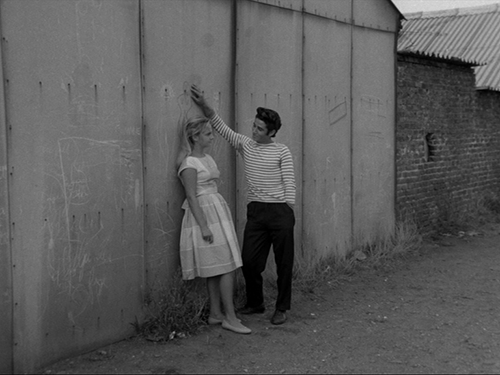
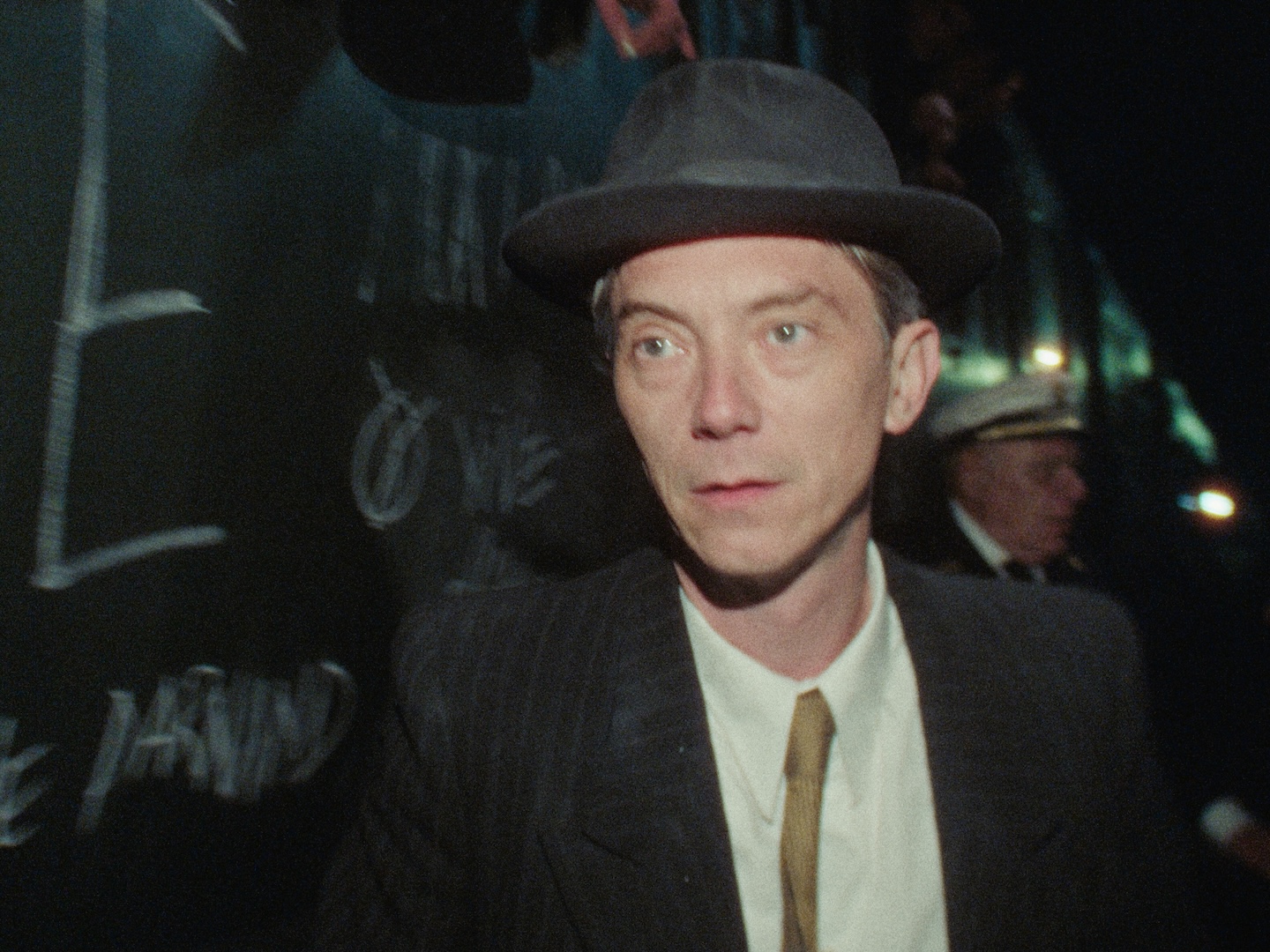
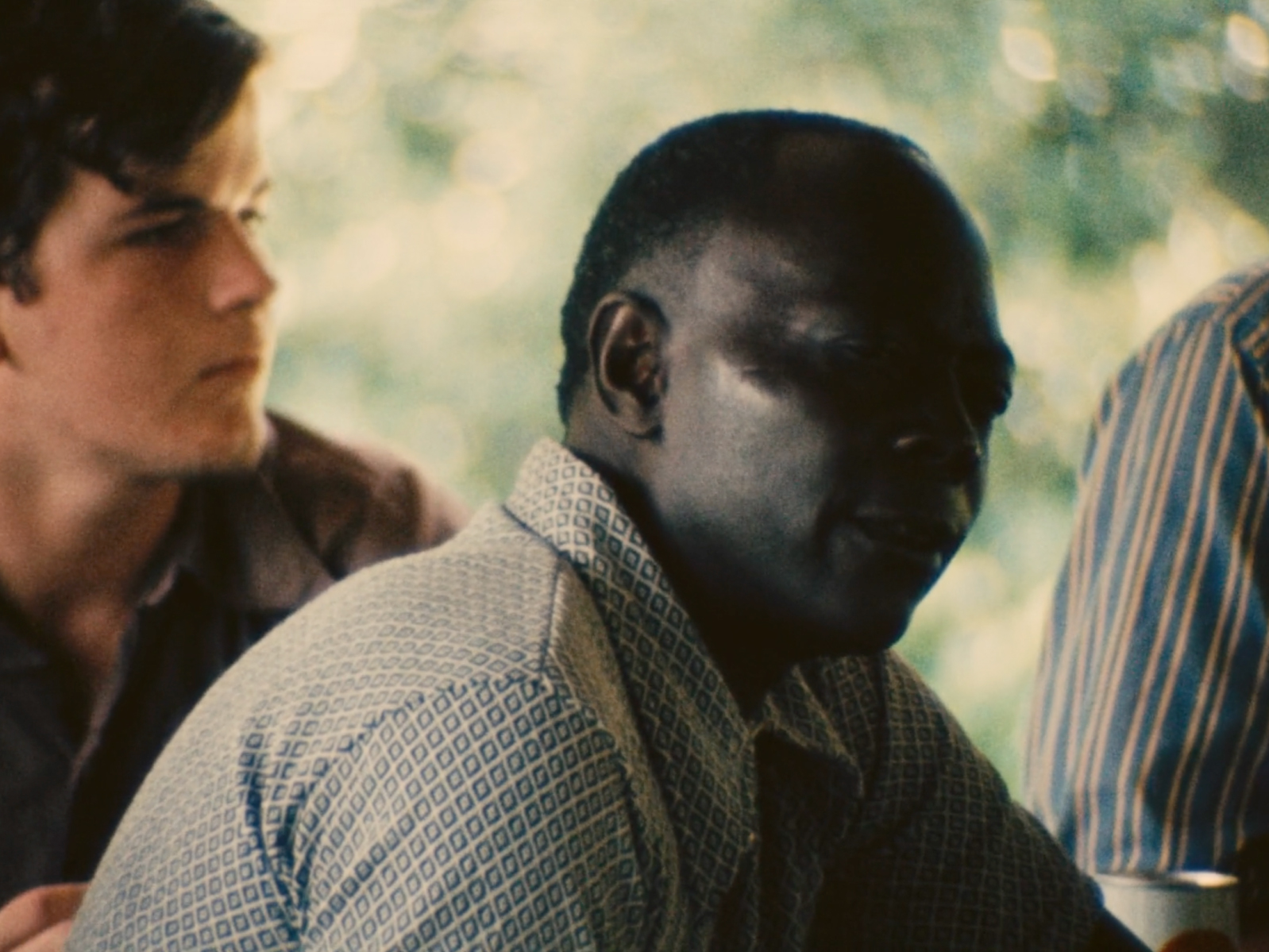
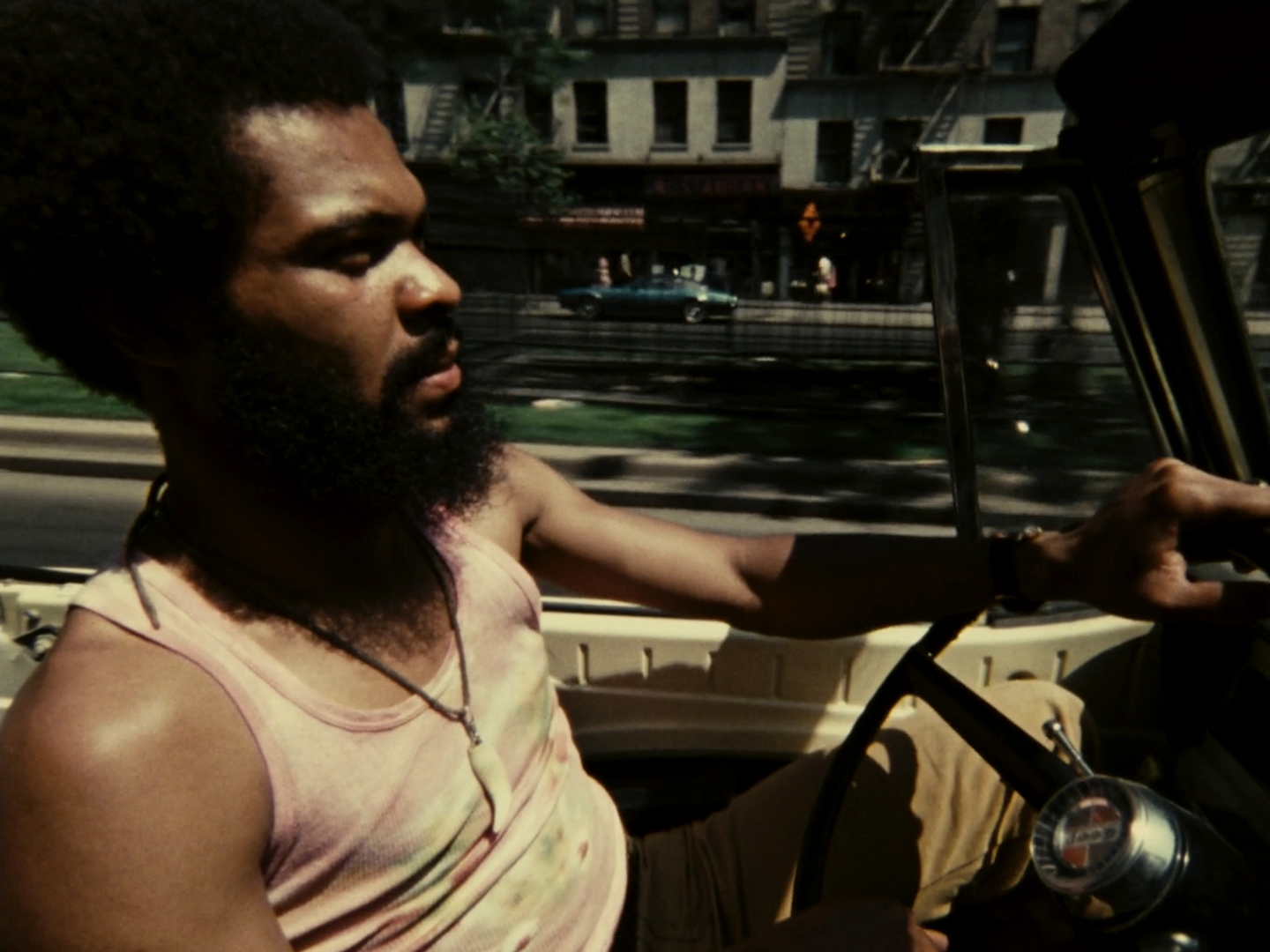
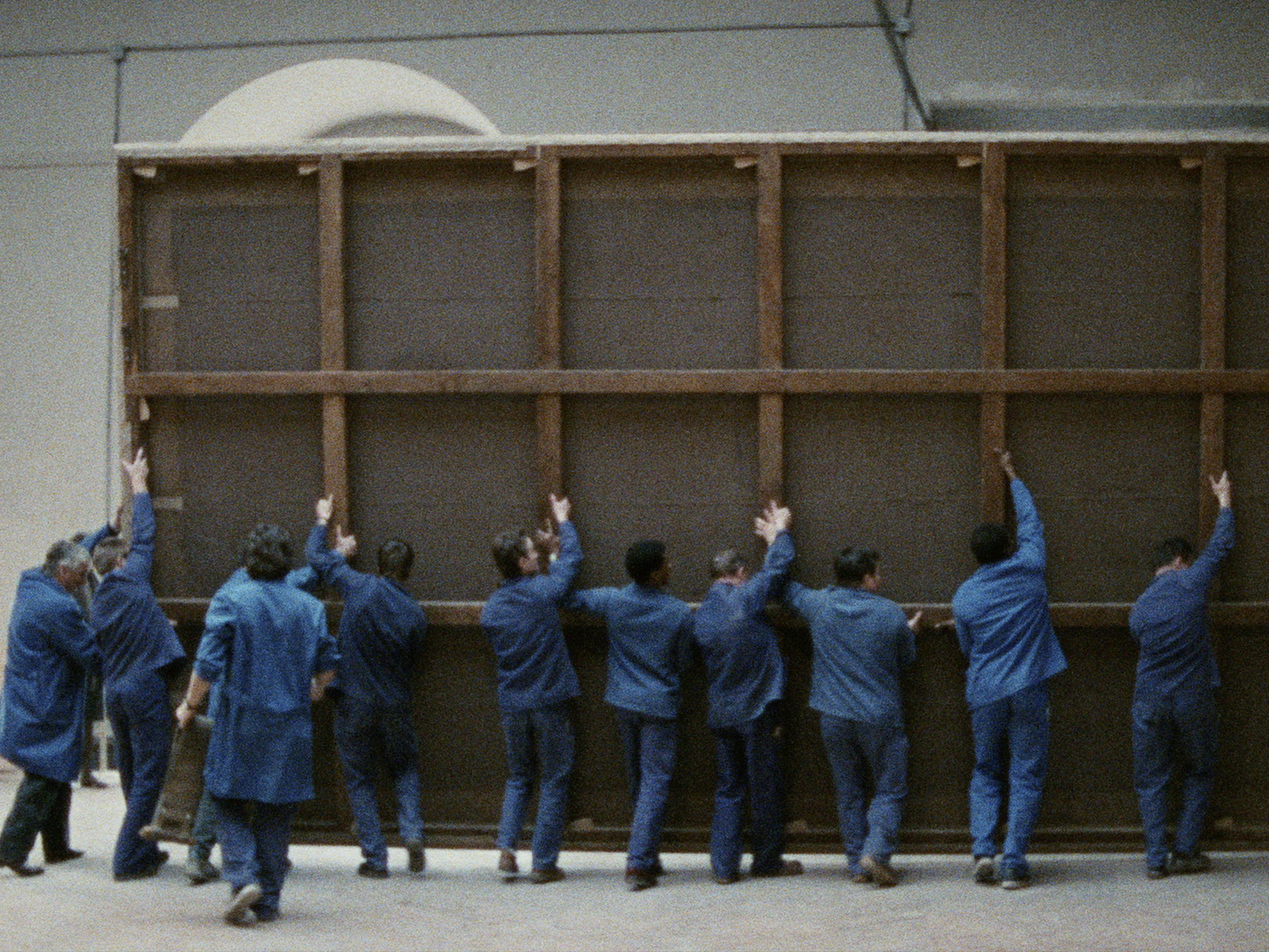
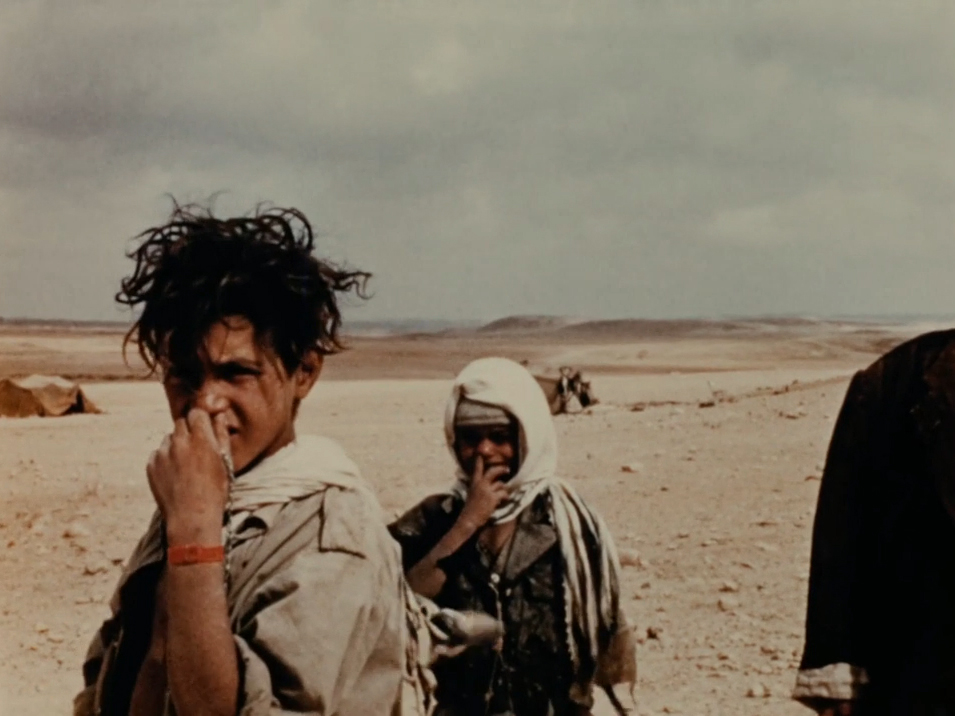
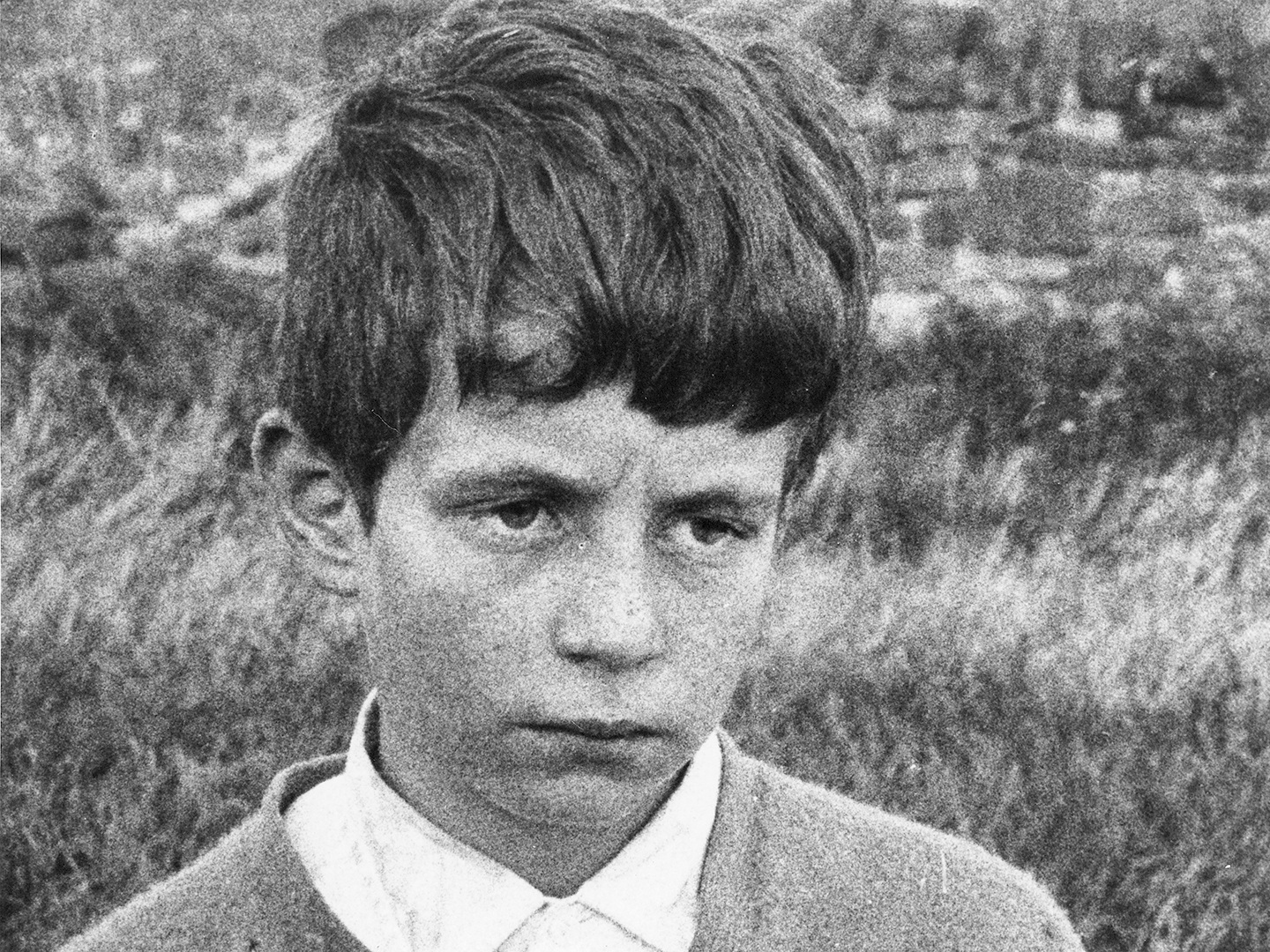
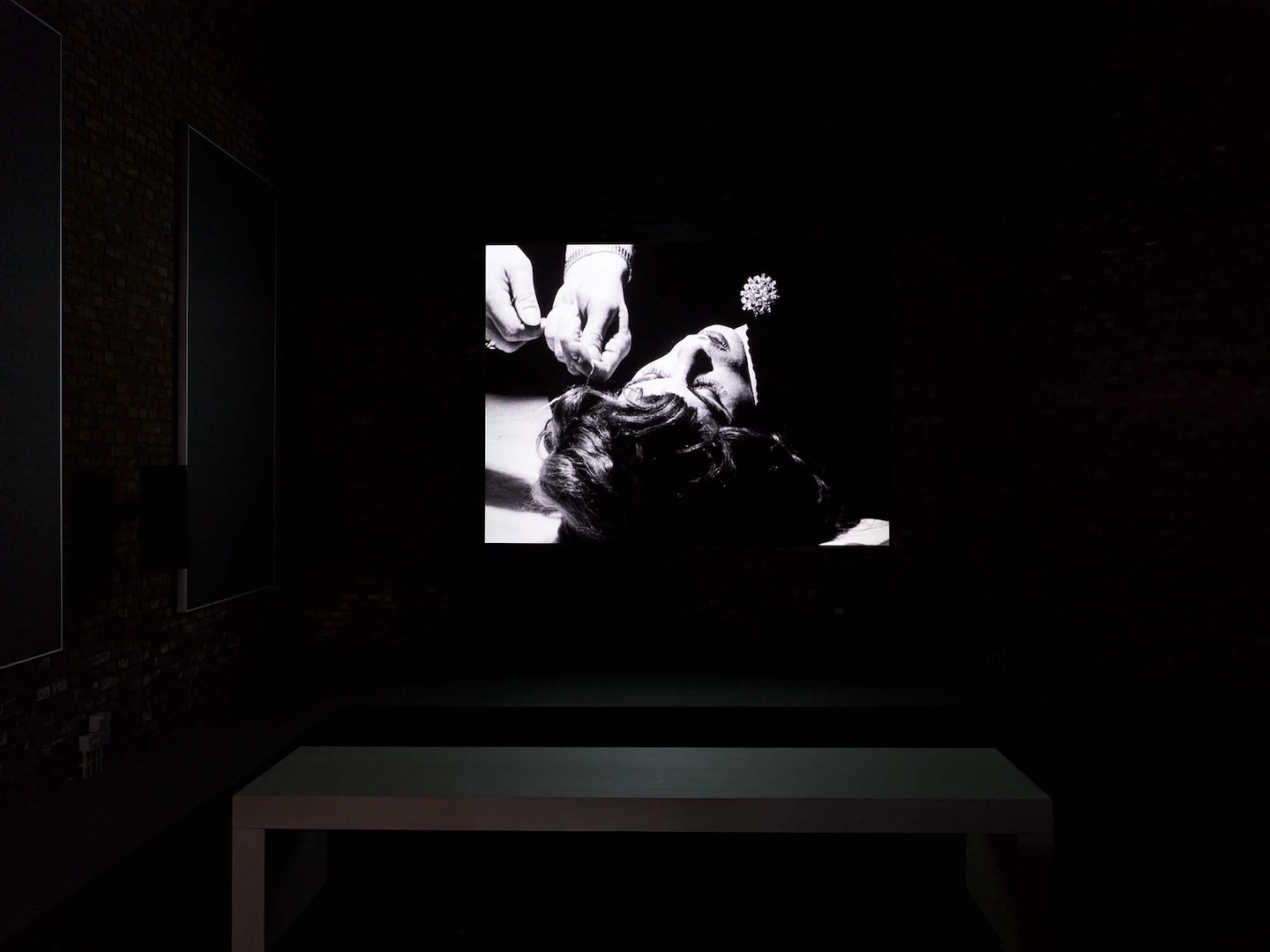
This week’s selection opens at Cinema RITCS with Déjà s’envole la fleur maigre (1960), Paul Meyer’s masterpiece that introduced Italian neorealism to Belgian cinema. Meyer turns his camera on the Borinage during the 1950s, a declining mining region where young migrant families arrive full of hope, while others, disillusioned, head back home. Working in a documentary style that “fictionalizes reality,” as Patrick Leboutte puts it, Meyer uses the otherworldly mining landscape to endow daily life with a sense of estrangement, underscoring the alienation of the people he films.
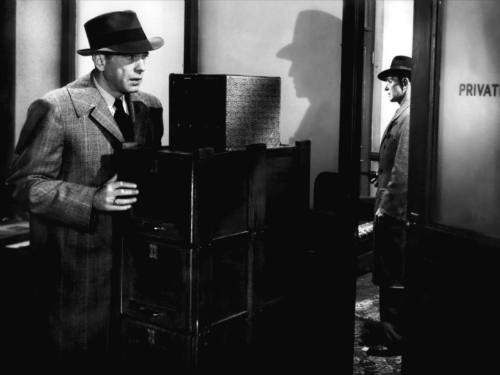
CINEMATEK is screening Howard Hawks’ film noir classic The Big Sleep (1946). Notorious for its complicated plot, the film challenges even the most attentive viewer. Yet, once you let go of the plot, it becomes clear that Hawks, who admitted he could not explain certain plotlines himself, prioritizes mood over narrative. The director’s mastery lies in how he bends the conventions of film noir to his will, creating meaning through purely formal means. The best way to appreciate the film is to watch it as a succession of scenes that generate tension through montage and mise-en-scène. The perfectly paced rhythm makes the dialogue between Humphrey Bogart and Lauren Bacall flow effortlessly, while the slightly exaggerated camera angles, combined with the contrasting lighting, bring the actors’ performances to life.
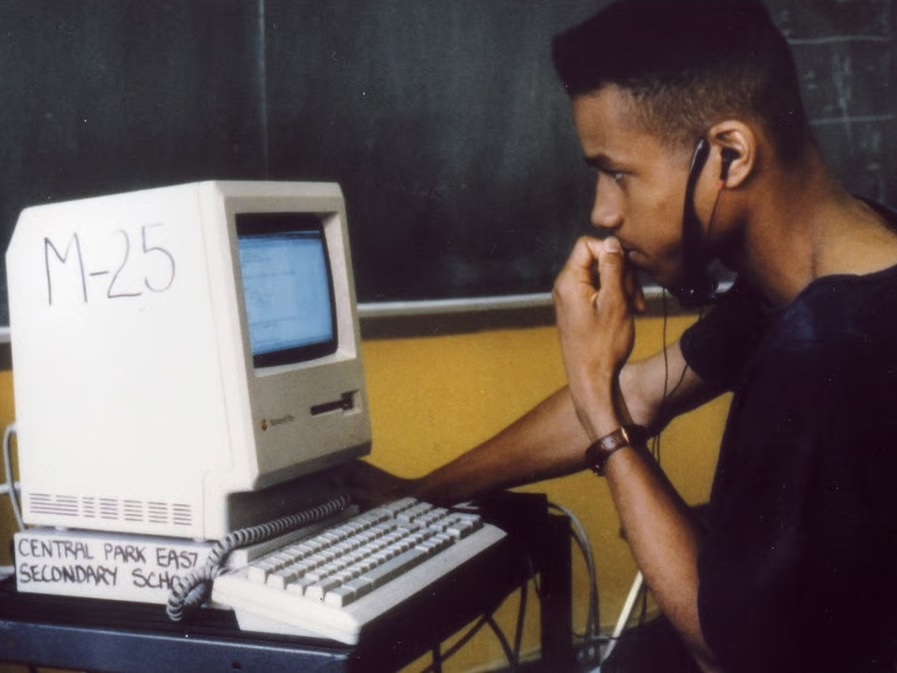
In High School (1968), Frederick Wiseman observed the effects of disciplinary education on American high school students. Almost thirty years later, he turns to an entirely different educational model in High School II (1994), where student autonomy is the starting point. Screening at De Cinema in Antwerp, High School II adopts the same direct observational style as its predecessor but exudes a rare sense of hope, largely absent from the rest of Wiseman’s oeuvre.