

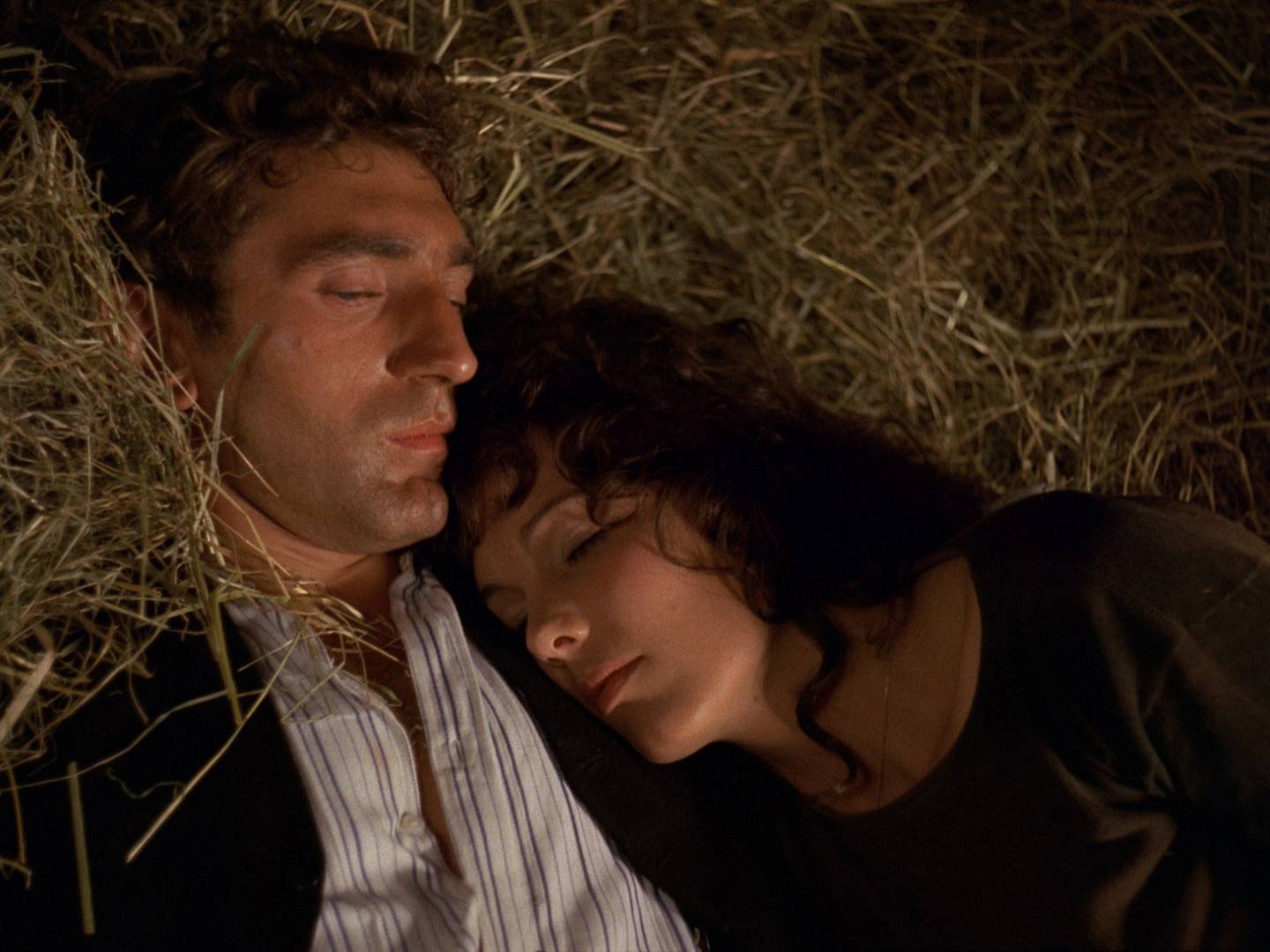
The story of a small and conservative West-Flemish village opposing the construction of a bridge over the Scheldt.
EN
“By 1971, the year Mira was released, most of the fiction feature directors from the 1960s began to change course, since their films had resonated more poorly than they had expected. In the early 1970s, they sacrificed their artistic ambitions for ‘national cinema’ as a model. […] In this period, Dutch filmmakers introduced the profitability of sex as a theme, implying that protagonists could benefit from a licentious lifestyle. Moreover, the sexual display in Dutch films was also profitable in another respect, for it resulted in astonishing box office results.”
Peter Verstraten1
“Claus was a crucial component in the genesis of the production. He was the link between Rademakers and Van Raemdonck. His contribution in building the Dutch/Flemish co-production structure was considerable. Half of the budget (the total budget was less than 400,000 euro) was Flemish, provided by Flemish Television, the Ministry of Culture, and to a lesser extent by Van Raemdonck’s Kunst en Kino. The remaining half of the funding came from the Netherlands in the form of contributions from the Dutch productions fund, Dutch television and Rademakers’ own production company. Belgium’s part in the production outnumbered that of the Netherlands by a small percentage, so when Mira was selected for Cannes, it was registered as a Belgian film.”
Erik Martens2
NL
“Ditmaal bewerkte Claus een roman van Stijn Streuvels, een Vlaamse plattelandsgeschiedenis over de strijd tussen moderniteit en traditie aan het begin van de twintigste eeuw. Mira bevatte enkele bescheiden blootscènes met actrice Willeke van Ammelrooy. In de ene ligt zij met doorweekt-doorzichtig gewaad aan de waterkant, in een andere is tijdens een vrijscène een blote borst te zien en in een derde loopt ze ontkleed van de ene kant van de kamer naar de andere. Deze paar blootmomenten, die bij elkaar enkele minuten duurden, kwamen vrijwel volledig in de trailer terecht en wie op de publiciteitscampagne afging moest wel veronderstellen een seksfilm te gaan zien. In werkelijkheid was het een gedegen publieksfilm die voornamelijk over wat anders ging, maar uit de trailer blijkt hoe de makers van Mira de stemming onder de potentiële bezoekers inschatten. Dat hun gevoel juist was, zou spoedig blijken.”
Hans Schoots1
- 1Hans Schoots, Van Fanfare tot Spetters: Een Cultuurgeschiedenis van de Jaren 60 en 70 (Amsterdam: Bas Lubberhuizen/Filmmuseum, 2004), 51.

