Week 43/2026
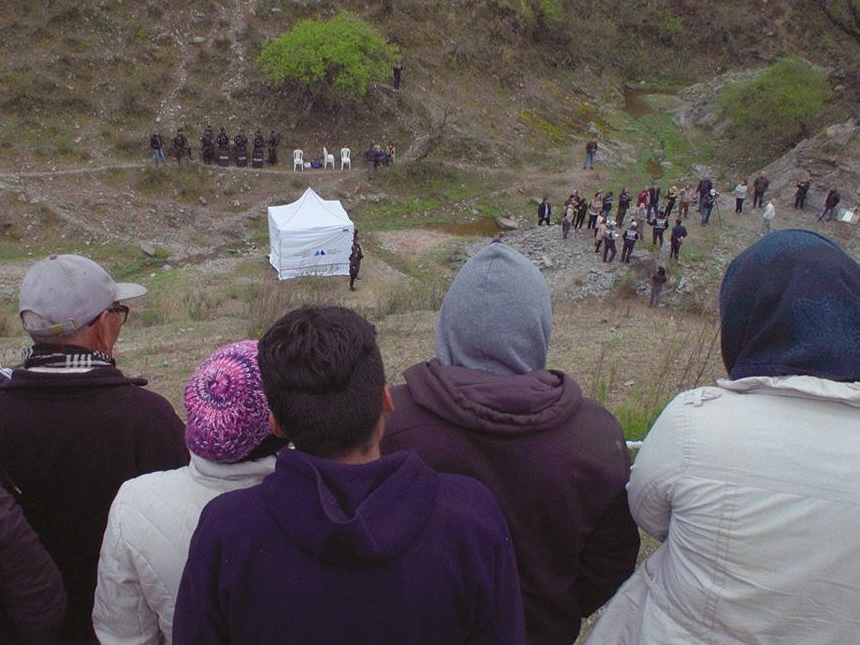
This week is your last chance to see Nuestra Tierra (2025) at De Cinema in Antwerp. Lucrecia Martel travelled to the ancestral land of the Chuschagasta community in northern Argentina. She was struck by their struggle to hold on to their native soil, which reveals the history of their community, and of colonialism and exploitation. The film opens in outer space, with satellite images capturing the world as if in a dream, before zooming in on the village nestled in the mountains. The community’s struggle tells a story of humanity, an account of what Martel calls “our greatest, possibly last, adventure: finding a common destiny for Earth.”
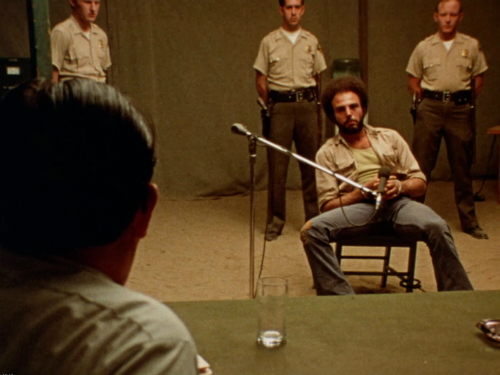
Students organise protests and occupations against the war the USA is waging in Vietnam and Cambodia. A new law authorises federal authorities to detain anyone deemed “a risk to internal security.” This eerily contemporary premise drives Punishment Park (1971) by Peter Watkins. He cast real pacifists as the activists and real conservatives as the judges, then filmed the trials as if a BBC crew were making a documentary. At the base camp in Bear Mountain National Punishment Park, the defendants are given their task: within three days, they must reach an American flag planted 85 kilometres away in the desert.
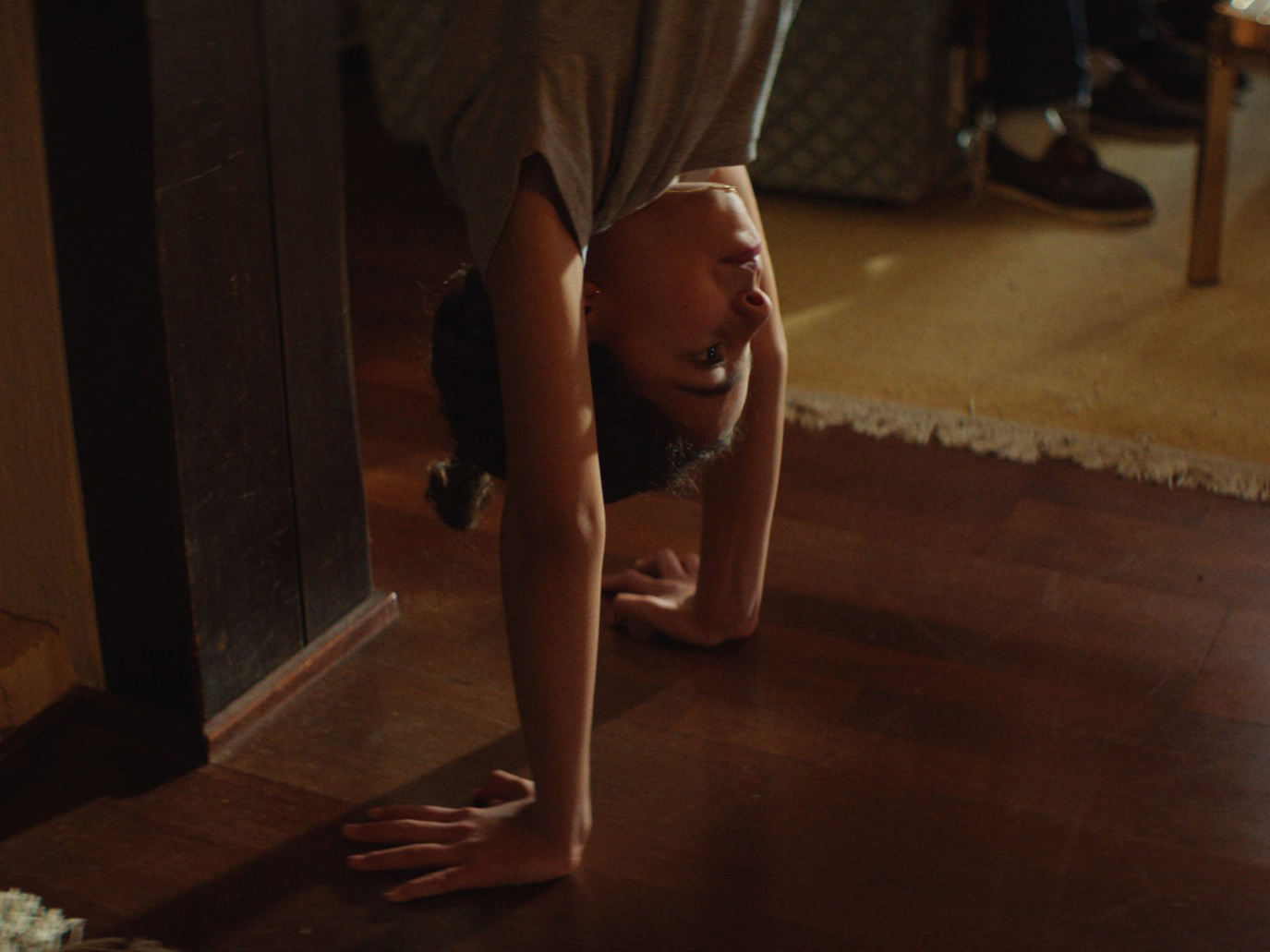
NW Aalst is showing Têtes brûlées (2025), the debut feature of Brussels filmmaker Maja-Ajmia Yde Zellama. The film follows twelve-year-old Eya as she grapples with the sudden loss of her older brother. Her mourning is woven into daily life in the city, where friendship, family, faith and care provide sustenance. In an interview with À Films Ouverts, Yde Zellama said: "We see characters of colour who love and are loved, who are vulnerable and complex. Since that is rarely the case, unfortunately, it becomes political. But for me, it is not an activist film.”