Week 18/2026
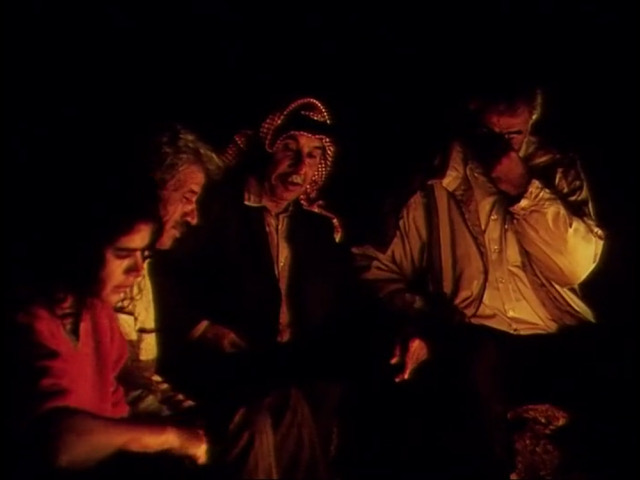
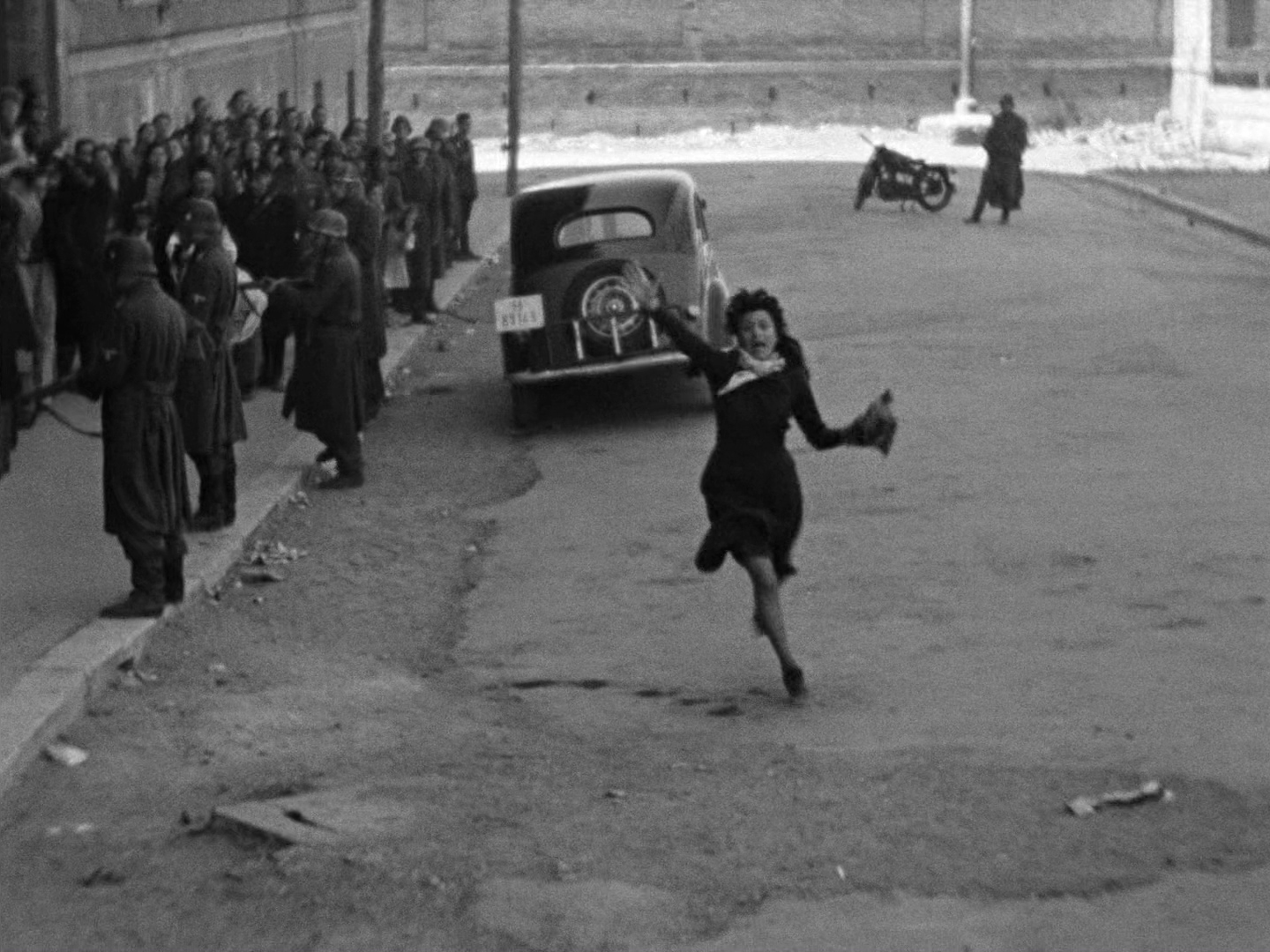
The three programs in our selection this week each engage, in their own way, with the notion of occupation. From the genocidal massacres at the Sabra and Shatila refugee camps in Beirut during the Israeli siege of 1982, as described by Jean Genet and retraced by Richard Dindo in Genet à Chatila; to the eroticism of captive bodies in Un chant d’amour, where prison walls encroach upon desire, met by the voyeuristic jouissance of the guard – himself captive to his gaze; to the multitudes of dreamt and dreaded selves that occupy a woman’s subconscious in At Land, where the body moves in stutters, both constrained and liberated by the volatile inertia of dreams; to the new realism of lived experience, in actors and non-actors alike, resisting Nazi occupation in Rome, Open City – history filmed just after it had happened.
Genet in The Thief’s Journal: “There is a close relationship between flowers and convicts. The fragility and delicacy of the former are of the same nature as the brutal insensitivity of the latter. Should I have to portray a convict – or a criminal – I shall so bedeck him with flowers that, as he disappears beneath them, he will himself become a flower, a gigantic and new one.”
A different flowering in Kenneth Anger’s Eaux d’Artifice joins those of Maya Deren and Jean Genet in a moonlit film evening on Wednesday. A day-for-night reverie set to Antonio Vivaldi’s Winter, anticipating the blossoming of a voluptuous career, as the mind is occupied by the continuous, uncapturable flow of water. Yet when described as a pioneer of queer filmmaking, Anger responded in kind: he refused “to be placed in a cubbyhole”.