Week 49/2026
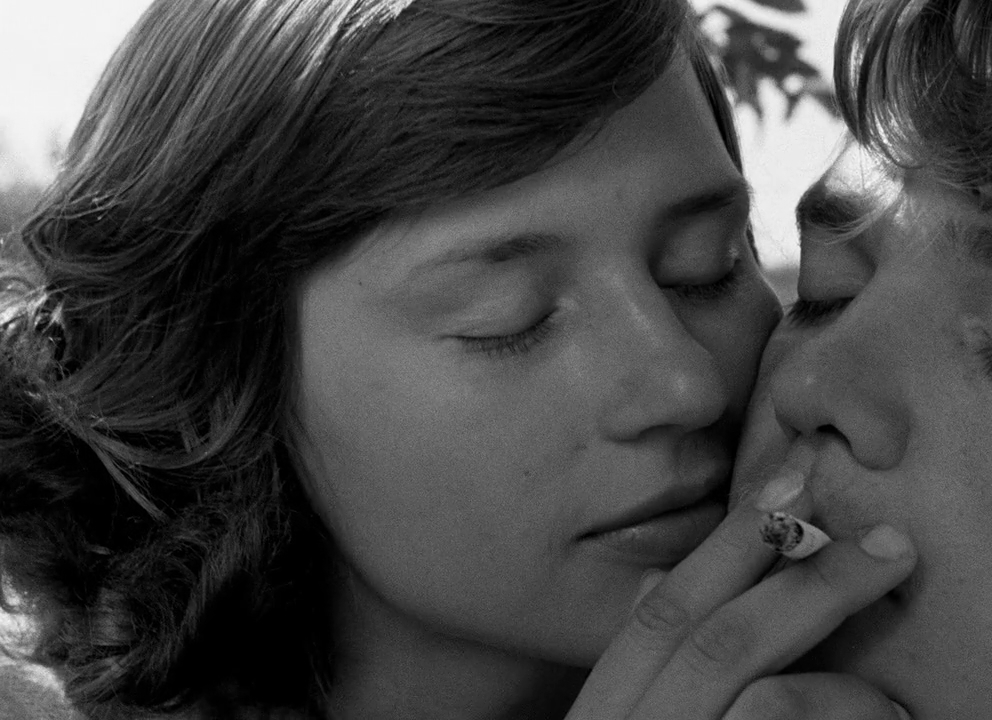
Summer with Monika (1953), about a young couple who flee their homes to spend a carefree summer together, is the film that brought Ingmar Bergman international attention, albeit initially for the wrong reasons. After its depiction of nudity had stirred controversy in its home country, a recut exploitation version of the film was released in the U.S. that stressed its taboo scenes, making it an unexpected commercial success. It wasn’t until 1958 that critics from Cahiers du Cinéma praised it for its artistic vision. Jean-Luc Godard saw the film as a precursor to the French New Wave. He specifically pointed out what he called “the saddest shot in the history of cinema”, in which Monika breaks the fourth wall by staring silently into the camera, as an anticipation of the self-reflexive experiments of European modernism. Netwerk Aalst will screen the restored version.
Closer to home, on-screen nudity played an important part in the commercial success of Mira (1971), a Dutch-Flemish co-production by Fons Rademakers and written by Hugo Claus and Magda Reypens. As Peter Verstraeten explains, the film made Dutch directors change course, sacrificing their artistic ambitions for the profitability of sex. The screening at De Cinema will be followed by a conversation with actors Jan Decleir and Willeke van Ammelrooy.
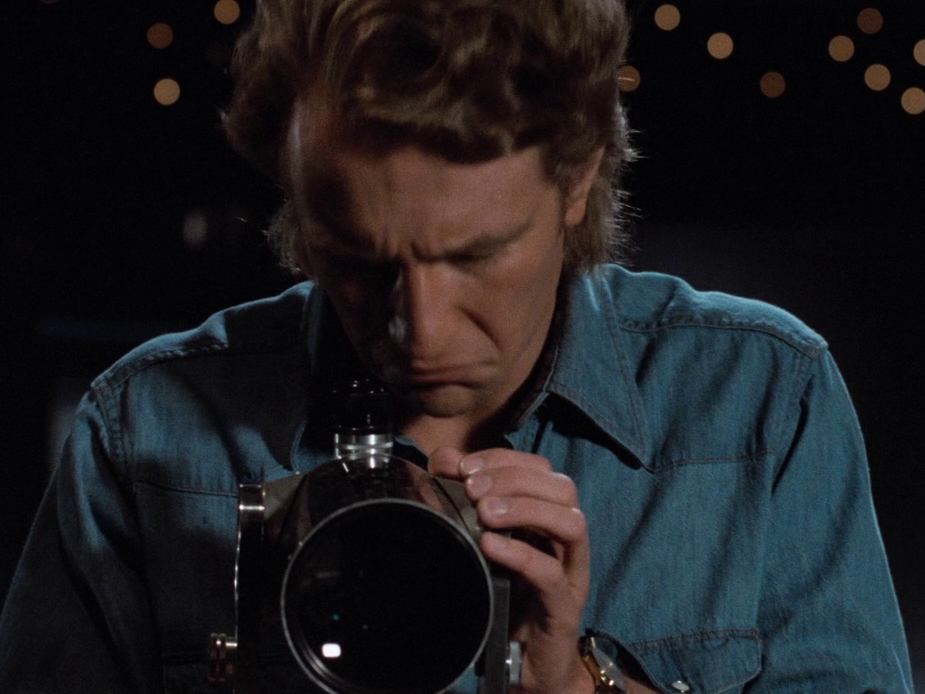
What might Hitchcock’s films have looked like if he hadn’t been restricted in his depiction of sex and violence by the Hays Code? Brian De Palma’s Body Double (1984), screened at Studio Skoop offers one possible answer. Fusing Vertigo with Rear Window and adding elements of exploitation cinema, De Palma’s ode to the master of suspense is as excessive as it is seductive. However, more than a simple pastiche, De Palma transposes Hitchcockian themes such as voyeurism and desire to 1980s America, self-reflexively commenting on the exploitation of sex and violence in postmodern image culture and the pornification of mainstream cinema.