Week 42/2026
In the selection this week: voodoo horror, post-apocalyptic action and Lovecraftian metafiction. Although these three films may seem worlds apart at first glance, all three take place in settings where social order and reality are undermined by forces that disrupt them from within.
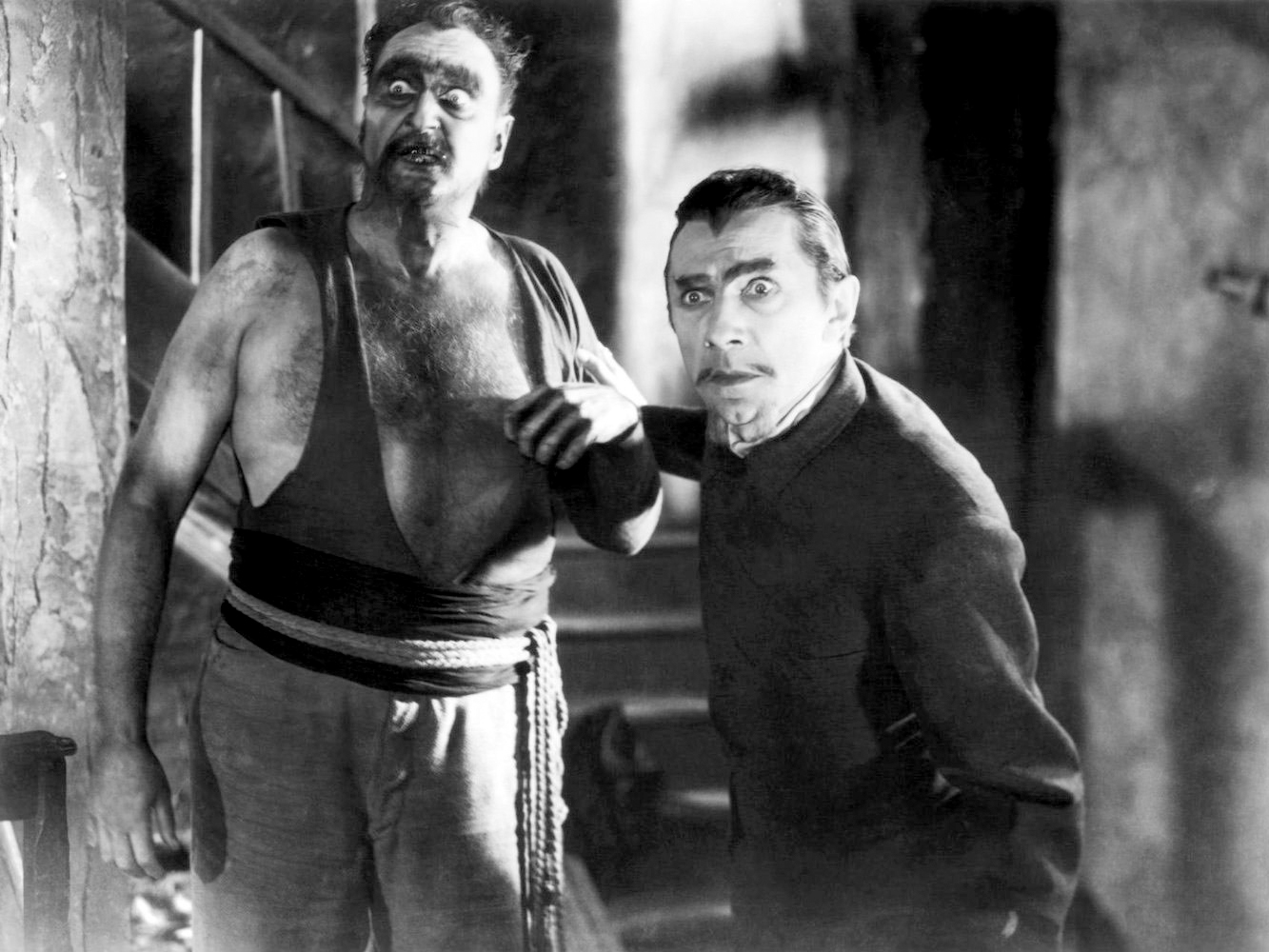
Victor Halperin’s White Zombie (1932), screening on Tuesday at De Cinema, is an early, haunting depiction of a world between life and death. Béla Lugosi plays a mysterious voodoo master who uses his gaze and sheer willpower to turn people into mindless zombies. The film derives its power from its strange, dreamlike atmosphere rather than explicit violence. Misty landscapes, dark interiors, slow movements and motionless bodies create a world that constantly seems to slip away from reality. White Zombie is at once primitive and wonderfully stylized, as if the film itself were trapped in a nightmare from which no one can fully awaken.
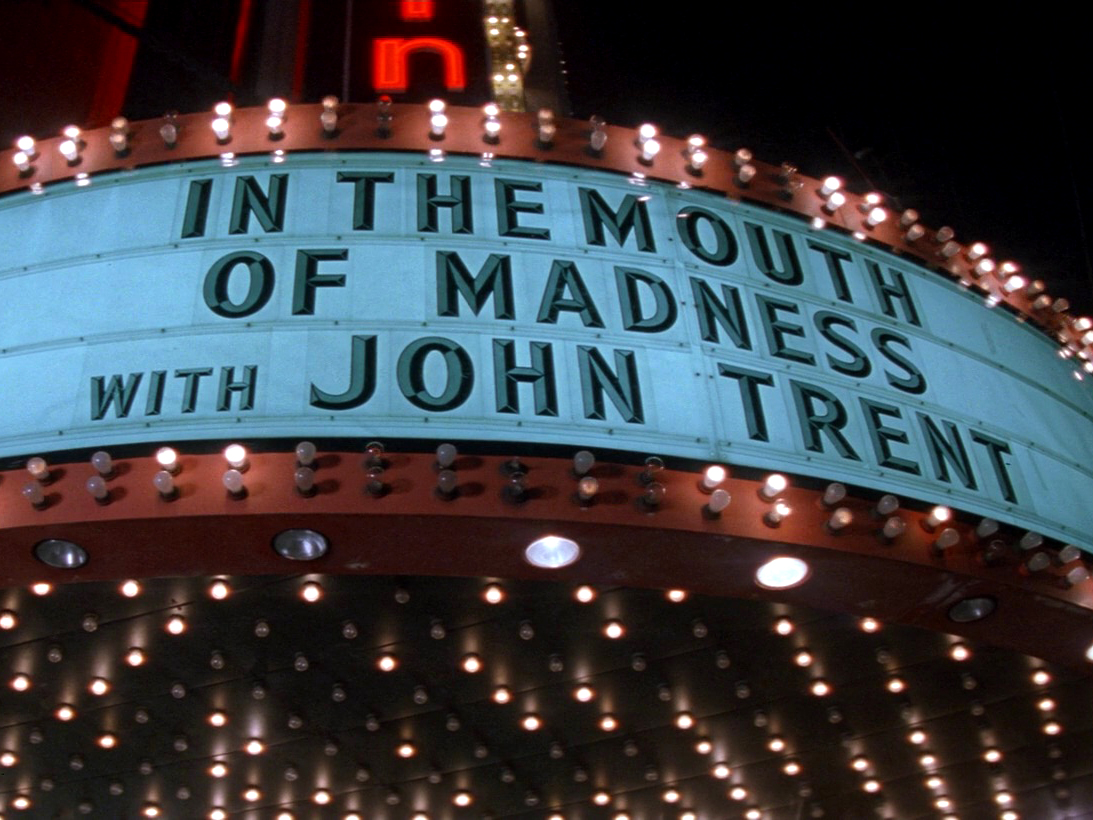
As we enter the final weeks of CINEMATEK’s retrospective of American “genre master” John Carpenter, we have reached his films from the 1990s. On Tuesday, one of his finest works from that period will be screened. In In the Mouth of Madness (1994), fiction invades the world itself, making it impossible to determine what is real and what is not. Insurance investigator John Trent is hired to track down missing best-selling horror author Sutter Cane. Following clues in the author’s earlier work, he finds himself in a town he had believed existed only in Cane’s stories. As soon as he enters the town, fiction begins to take over reality in an increasingly oppressive manner. “So it says both that horror is a kind of cheesy on one level but at the same time, if you’re tracking it, you can become crazy,” as Carpenter puts it. “I just pulled every bit of that idea out as much as I could.”
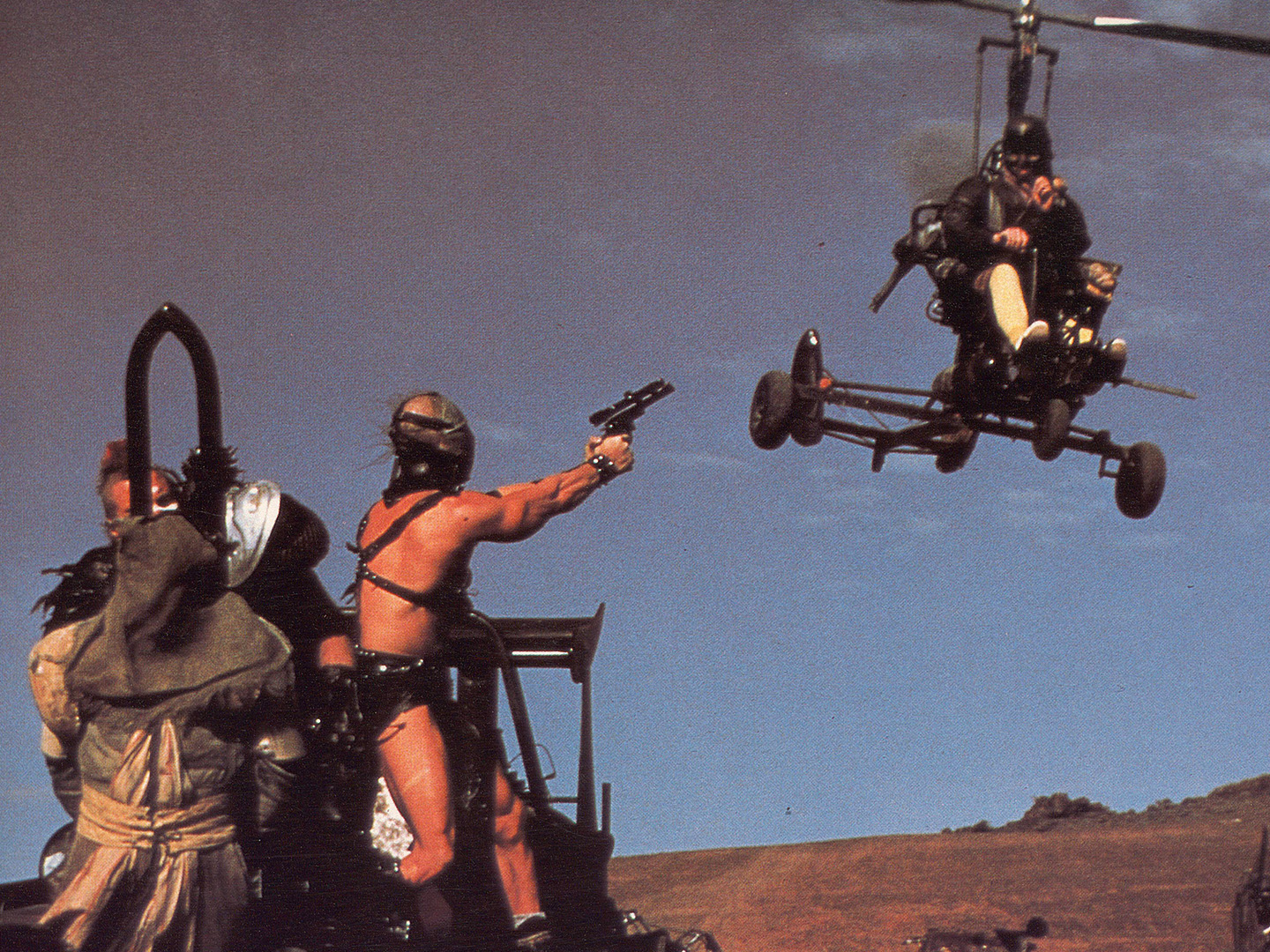
On Thursday, Flagey will screen the second film in the Mad Max franchise: The Road Warrior (1981). Set in a dystopian future, George Miller depicts a world in which scarcity, violence, and territory determine human relationships. He structures the film like an almost mythical Western, but finds its most spectacular expression in chases through the barren landscape. Dust, speed, metal, and explosions become a choreography of pure kinetic energy, in which the car is simultaneously a vehicle, a weapon, and the last symbol of freedom. “Neither Mad Max nor The Road Warrior is really speculative about a future”, Miller reflected; ultimately, it’s “a lot of stuff that is clearly exaggerated from the present.”