André Bazin, Television Critic

An Interview with Jean Renoir and Roberto Rossellini
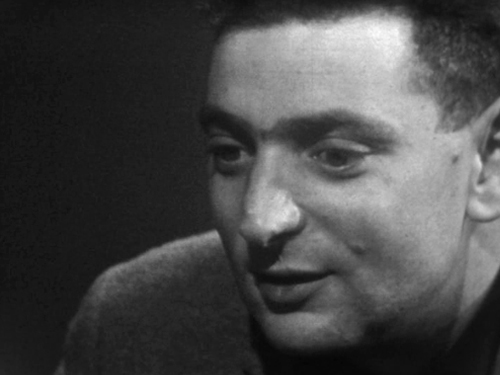
Few figures in film history have left a greater mark than André Bazin (1918–1958), considered by many to be the film critic of the twentieth century. Between 1942 and his early death in 1958, Bazin wrote an impressive body of work comprising nearly three thousand texts – amounting to an average of roughly one piece every two days. He was also one of the co-founders and early guiding figures of Cahiers du cinéma. Through his writings, Bazin played a key role in post-war French cultural life. He created a space for a new way of thinking about cinema, in which film was, for the first time, placed on an equal footing with other art forms. Even the profession of film criticism still had to be invented. Criticism, Bazin argued, had to demonstrate cinema’s right to exist as an art form. The critic’s task was to awaken a love of cinema in the reader – and later in the viewer.
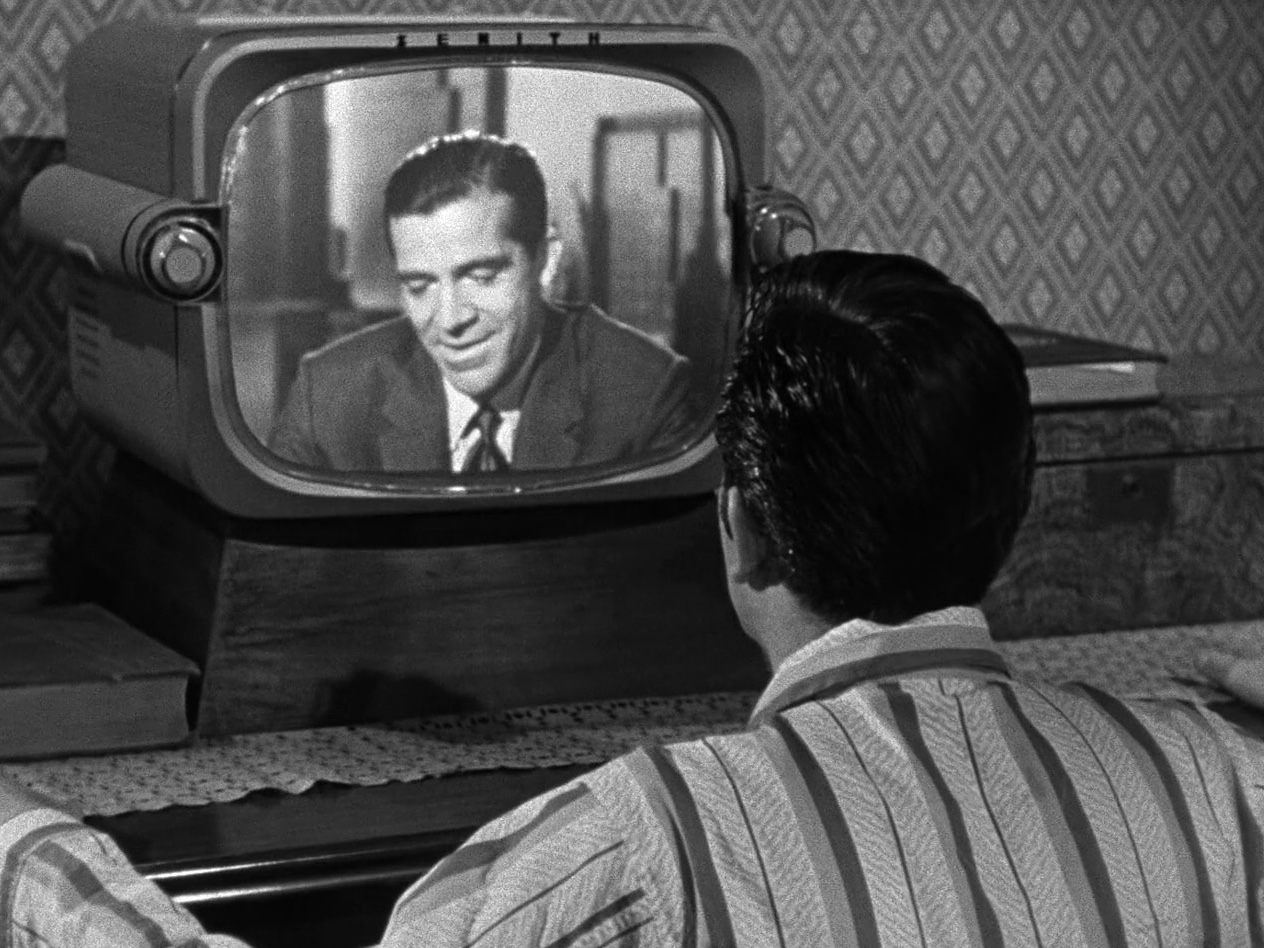
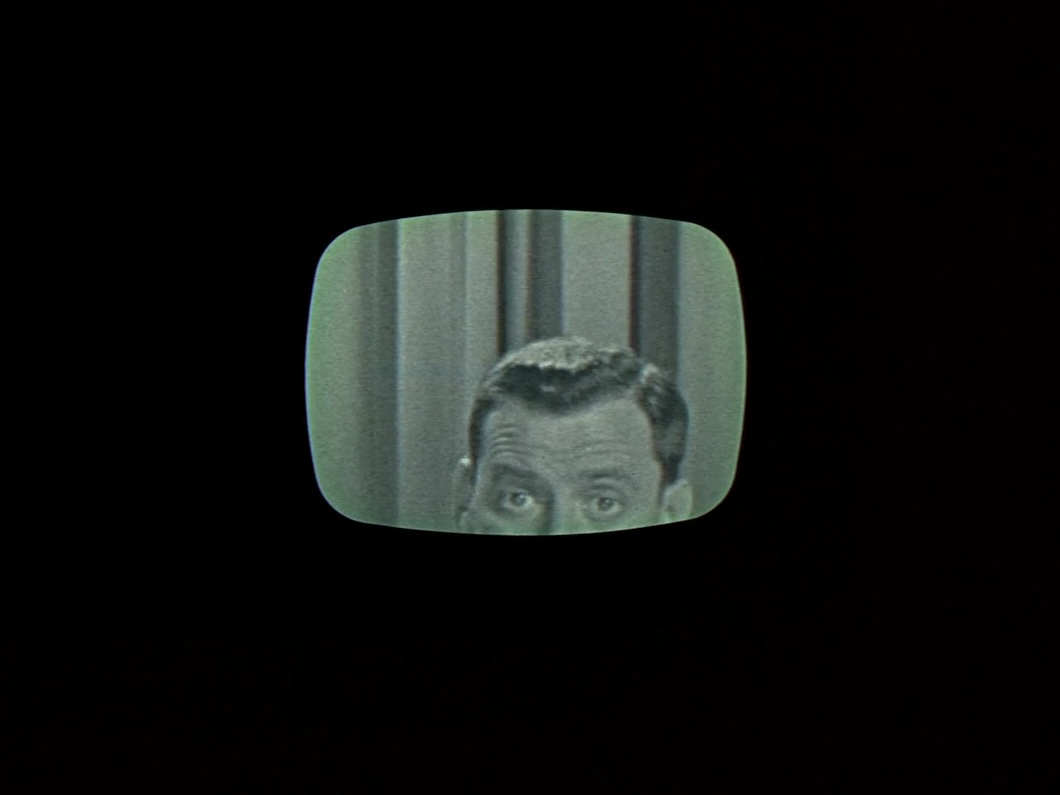
In that sense, André Bazin was a film critic par excellence, and with his contributions to countless magazines, he managed to reach a broad readership. Less well known are the hundreds of articles he wrote as a television critic. He began doing so primarily for health reasons: in the early 1950s, his fragile condition forced him to give up his daily activities, leave Paris and seek rest in the small town of Bry-sur-Marne. But there was also a deeper reason: for Bazin, television formed an integral part of the emerging visual culture, an evolution he wanted to follow closely and comment on. Many of these texts appeared on a regular basis in then newly established journals such as Radio-Cinéma-Télévision (later Télérama) and L’Observateur politique (now Le Nouvel Obs).
In recent years, Bazin’s thinking has enjoyed renewed attention, largely thanks to the efforts of Dudley Andrew and Hervé Joubert-Laurencin. Through publications such as What Cinema Is! (2010), Opening Bazin (2011) and André Bazin's New Media (2014), Andrew helped to bring Bazin’s work back into focus, while Joubert-Laurencin was the driving force behind the publication of the monumental Écrits complets (2018), which brought together all of Bazin’s texts for the first time. This issue seeks to continue that movement with a selection of Bazin’s writings on television.1 These texts reflect both the hopes and the scepticism that accompanied the rise of the new medium. Today, above all, they offer a counterbalance to the all-too-unquestioned relationship with television (and other media), which continue to exert a profound influence on our daily lives.
- 1The texts collected in this issue were originally published in French in André Bazin. Écrits complets, edited by Hervé Joubert-Laurencin (Paris: Éditions Macula, 2018), and in English translation in Andre Bazin's New Media, edited by Dudley Andrew (Oakland: University of California Press, 2014).
With thanks to Dudley Andrew and Yan Le Borgne.
© University of California Press, 2014 / © Éditions Macula, 2018