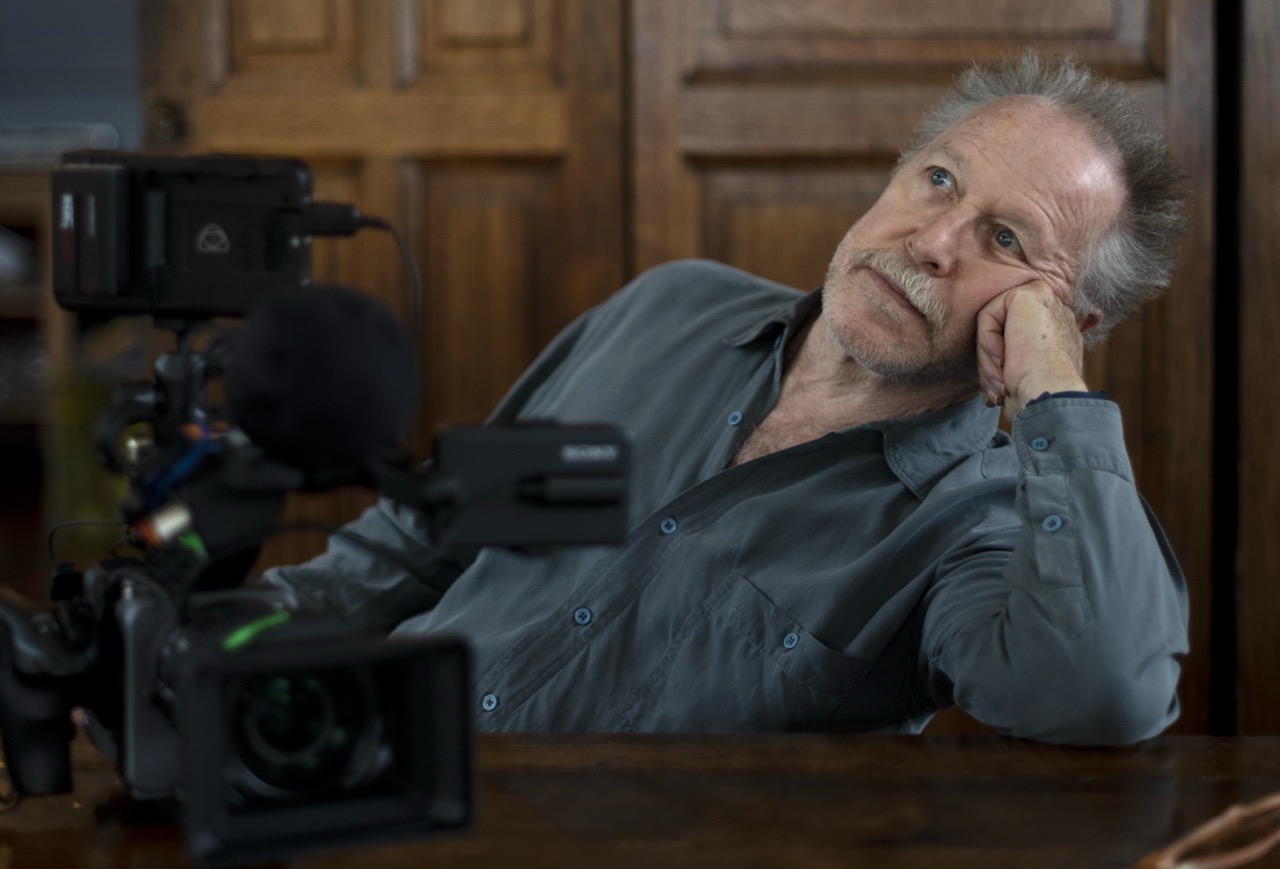
Sabzian and Bozar are honoured to welcome the French filmmaker Nicolas Philibert to Brussels for the State of Cinema 2026. For the past nine years, Sabzian has invited a guest to write and present a State of Cinema, accompanied by a film that relates to the speech. Once a year, the art of film is held up to the light, as an invitation to reflect on what cinema means today, could mean, or should mean. Previous guests have included Isabelle Huppert, Sergei Loznitsa, Alice Diop, Wang Bing, and Olivier Assayas.
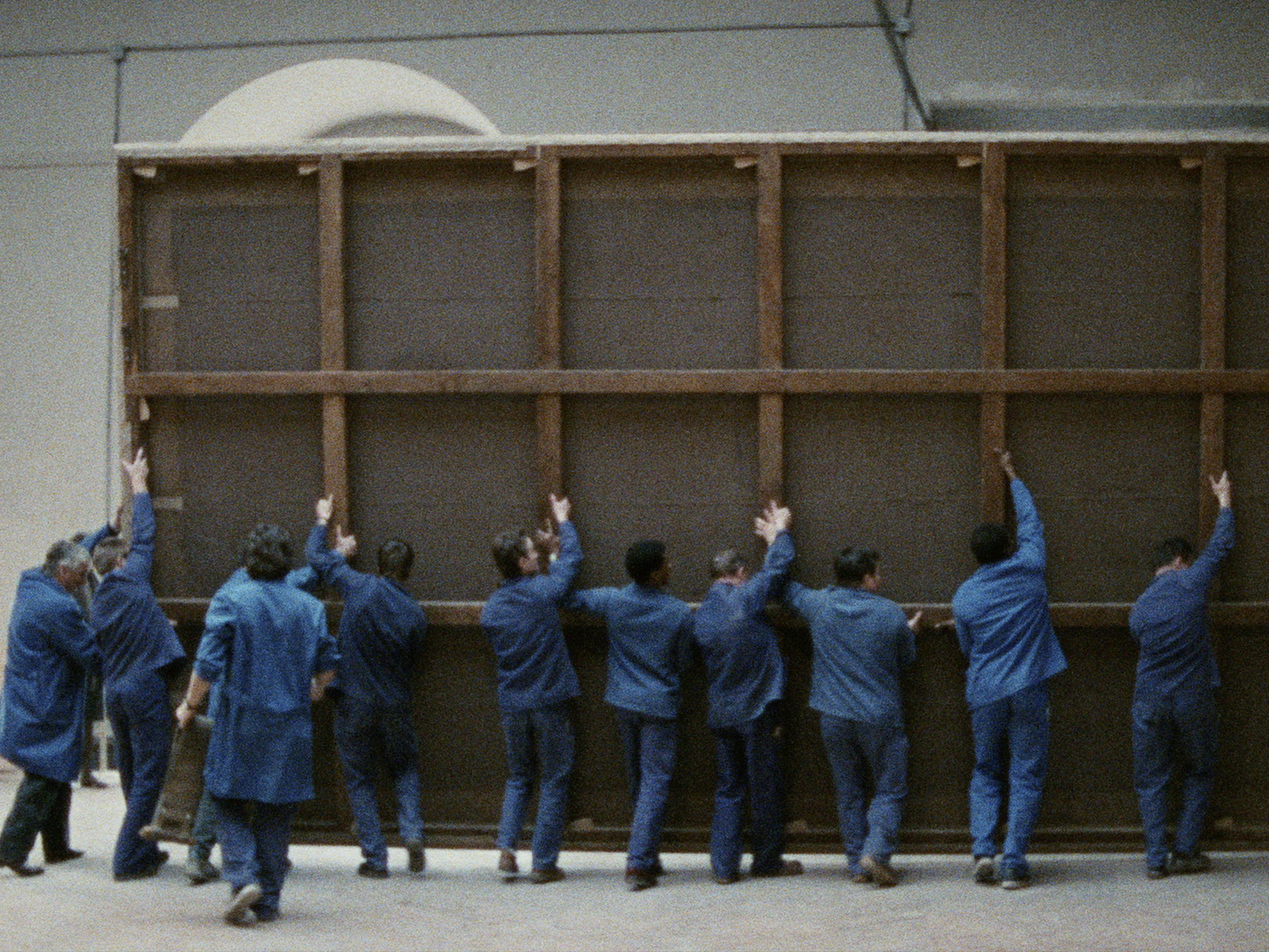
Nicolas Philibert (1951) is a French filmmaker. After studying philosophy, he found his way into filmmaking, first as an intern and then as an assistant director, working with René Allio and Alain Tanner, amongst others. With Gérard Mordillat he made his debut in 1978 with La voix de son maître, a portrait of industrial leaders reflecting on power and hierarchy. From the 1990s onwards, Philibert established himself as one of France’s most acclaimed documentary filmmakers, with works such as La ville Louvre (1990), Le pays des sourds (1992) and La moindre des choses (1996). His major breakthrough came with Être et avoir (2002), an intimate portrait of a small rural school that became a huge success both nationally and internationally. Later films include Retour en Normandie (2007), Nénette (2010), La maison de la radio (2013) and De chaque instant (2018). In 2023 Sur l’Adamant, filmed on a floating day centre for adults with mental health issues in Paris, and the first part of a trilogy, won the Golden Bear at the Berlinale. The subsequent parts, Averroès & Rosa Parks, named after two wards of a psychiatric hospital, and La Machine à écrire et autres sources de tracas, were released in cinemas the following year.
Contrary to the many preconceptions and expectations surrounding the term “documentary”, Nicolas Philibert has always worked with a great deal of cinematic freedom. For him, the starting point of a film is not a quest for knowledge, nor a clearly defined subject. “When filming begins, I know neither the destination nor the route I will follow,” he wrote, “much depends on what emerges along the way, in the work, in the encounters. My working method is one and the same as the films themselves, and that is why it is so important to me to be able to keep searching for as long as possible, right up to the very last moment.” Rather than seeking evidence in reality for a pre-formulated thesis, Philibert establishes a framework: outlines that give him the space to “programme chance”, as he often quotes his friend, the psychiatrist Jean Oury. Aware of the power his camera can wield and open to whatever chance offers, the filmmaker allows himself to be guided first and foremost by encounters. As he himself often emphasises, he does not make films about people but with people. With a great passion for the cinematic form, fuelled by a keen eye and a remarkable ability to listen, his work reveals a particular sensitivity towards the people who appear in it. In this, a quest for a shared humanity becomes visible, a desire to belong to the same world.
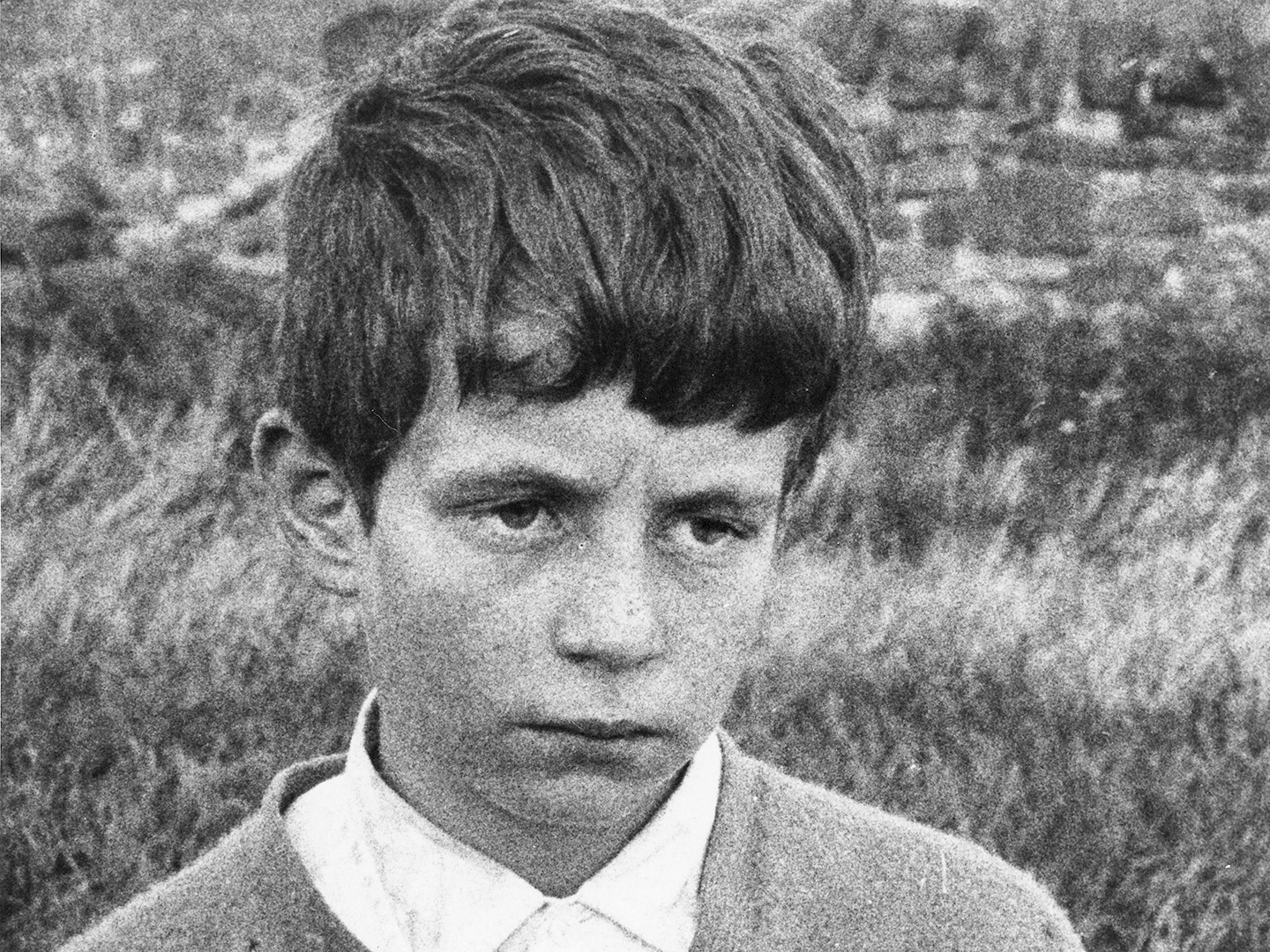
Philibert has chosen My Childhood (1972), the first part of Bill Douglas’s influential trilogy, to accompany his State of Cinema address. In stark, powerful black-and-white cinematography, the trilogy recounts the harrowing upbringing of Jamie, a vulnerable and playful young boy growing up in material and emotional poverty with his brother and grandmother in 1940s Scotland.
Complementary screening programmes will be organised in Brussels by Bozar and RITCS School of Arts.
Tickets are available on the website of Bozar.
Photo Nicolas Philibert © Michael Crotto
Film Pages
Screenings