Frans van de Staak

Frans van de Staak (1943–2001) was a Dutch filmmaker, artist, and engraver. He discovered cinema through Antonioni’s Il deserto rosso and went on to create a body of work at the intersection of literature, politics, and film. Trained as an artist and engraver, he founded the self-distributed journal CINEECRI and developed his early short films in the 1970s, often adapting texts by writers such as Korneliszoon Poot and Spinoza. These works privileged the musicality of speech and the everyday use of language, with performances by amateur actors recorded according to the rhythms of voice rather than conventional visual composition. At the end of the decade, he collaborated with Heddy Honigmann, who edited four of his films including his first feature, De onvoltooide tulp, and worked with poet Lidy van Marissing on screenplays exploring idioms and the interplay of poetry and film. His meticulous approach included building and restoring his own editing and recording equipment, enabling him to produce films on a small budget while mentoring young filmmakers. Later, he worked with professional actors while maintaining a style that combined rigor, playfulness, and attention to gesture, objects, and everyday elements. Jean‑Marie Straub described Van de Staak as the only true heir of Dziga Vertov. In 2025, CINEMATEK and Sabzian presented a retrospective of his work.
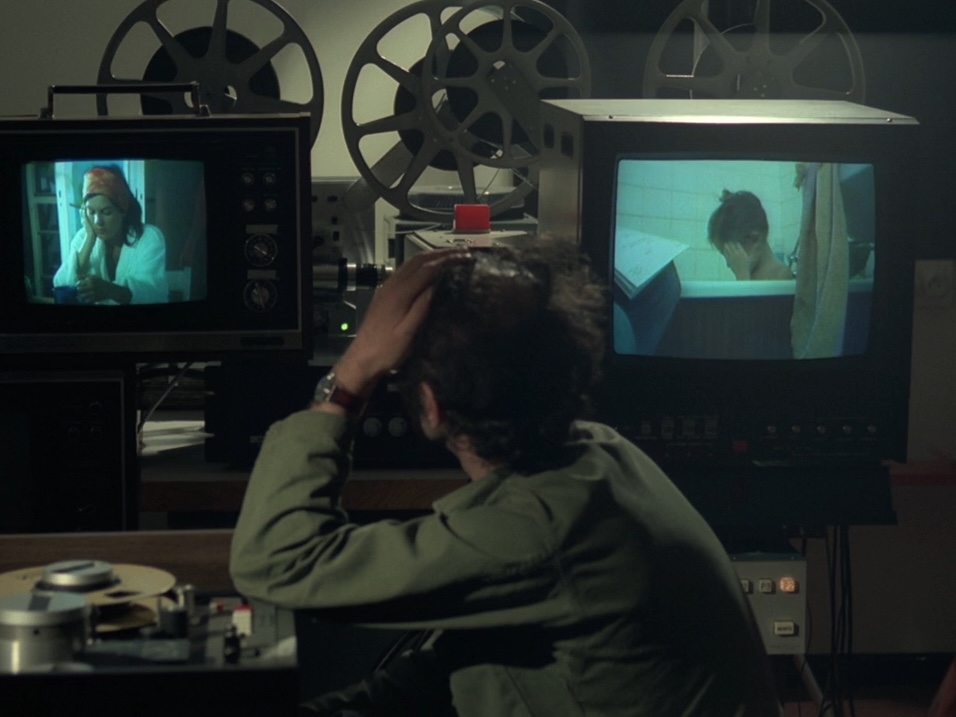
Frans van de Staak, 1976
ARTICLE
29.10.2025
NL EN

Gedurende de montage beslist de maker hoe een shot voorafgegaan en opgevolgd moet worden door de overige shots. Geluid komt niet na (of naast) het beeld; geluid is zichtbaar op het scherm, is dus in het beeld, en komt uit het beeld, is om het filmscherm, is een omhulsel van het filmscherm

Frans van de Staak, 1976
ARTICLE
29.10.2025
NL EN

During editing, the filmmaker decides how each shot should be preceded and followed by other shots. Sound does not come after (or alongside) the image: sound is visible on the screen, it's part of the image, it comes out of the image, it's all around the screen, sound embraces the screen.

Frans van de Staak, 1989
ARTICLE
08.10.2025
NL EN

The only way film can represent distances is by converting them into time, into duration. That is what film tries to do: convert into duration the meters that exist in reality. Ideally, I would say musical duration. Why? Because like in music, you're dealing with elements that succeed each other. You're dealing with an arrangement. If you cut a scene from a film, it would lose that operation.

Frans van de Staak, 1989
ARTICLE
08.10.2025
NL EN

De enige manier waarop film afstanden kan weergeven, is door ze om te zetten in tijd, in duur. Dat is wat film probeert: de meters uit de werkelijkheid omzetten in duur. Het liefst zou ik zeggen muzikale duur. Waarom? Omdat je net als bij muziek te maken hebt met opeenvolgende elementen. Je zit met een ordening. Als je een scène uit een film zou knippen, zou ze die werking verliezen.